Land & Culture
Volcano: ʻĀina and Identity
In Hawaiʻi, land and culture are inseparable. For centuries, the landscapes surrounding Kīlauea shaped the beliefs, stories, art, and daily lives of Native Hawaiians. This deep cultural attachment has informed how people understand, personify, and care for the land, and continues to guide how many residents of Volcano relate to their environment today.
Pele and the Sacred Landscape
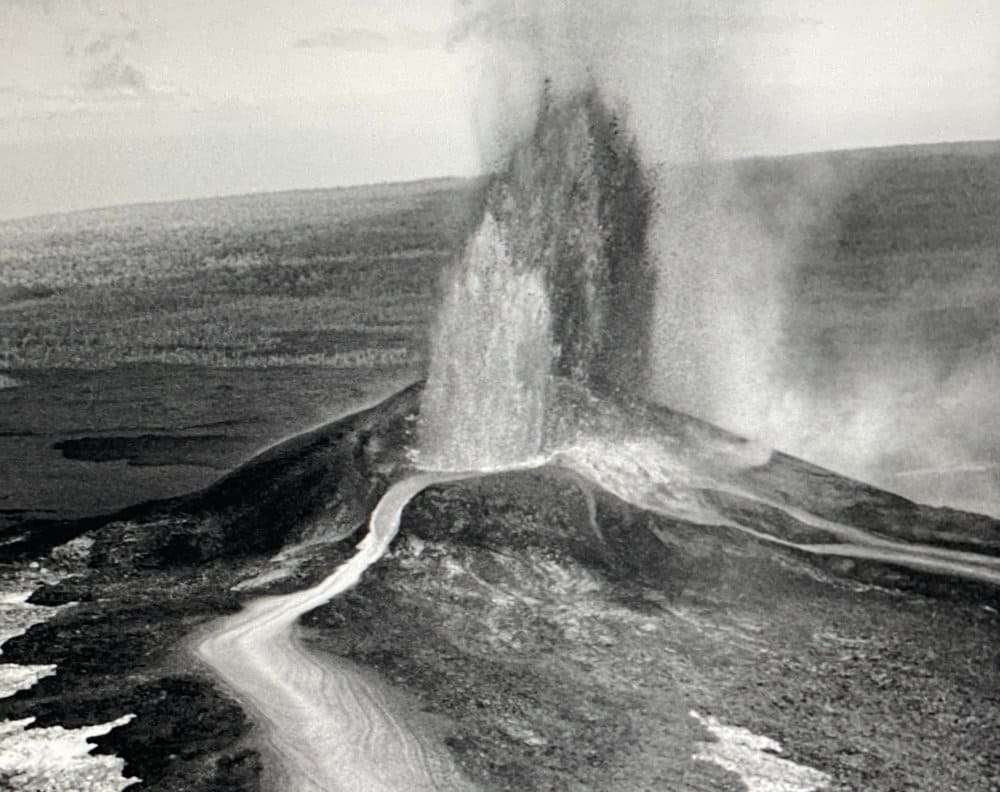
At the heart of Volcano’s cultural history is the enduring relationship between Kīlauea crater (ka lua Pele) and the volcano deity Pelehonuamea. The slopes of Kīlauea are rich with wahi pana, or sacred places, tied to Pele and her family. Early Hawaiian and foreign accounts alike describe the awe, reverence, and ritual observance shown by those who traveled through the area, where chants and offerings marked safe passage.
Cultural historian Kepā Maly documented how deeply Hawaiian beliefs were tied to specific places across Kīlauea, from the ocean to the summit. Hawaiian scholar and kumu hula Pualani Kanakaʻole-Kanahele emphasized that the entire mountain, not just individual sites, is sacred. Steam, lava, and shifting ground were understood as signs of a living landscape, constantly growing and breathing through Pele’s presence.
Kapu and Cultural Practice
Before the mid-19th century, the upper Puna forests were kapu to most people. Those permitted to enter—feather gatherers, canoe builders, and craftsmen—did so with strict protocols. Resources such as ōhelo berries and lei plants could be gathered only after offerings were made to Pele, acknowledging the land as a shared and sacred source rather than something to be taken freely.
The tradition of hoʻokupu, or offering tribute, has endured into modern times. Oral histories from Kaʻu and Puna recount families bringing lei, flowers, and chants to Kīlauea when seeking guidance or protection. These offerings were acts of respect, not transactions, reflecting a reciprocal relationship between people and place.
Today, cultural practitioners caution against inappropriate offerings by untrained visitors. Scholar Leilehua Yuen has written that the most meaningful offering is not a physical object, but aloha expressed through breath, words, and a commitment to care for and protect the land. In Volcano, this understanding continues to shape how culture, history, and ʻāina remain deeply intertwined.
Conservation Efforts
Sacred Forest
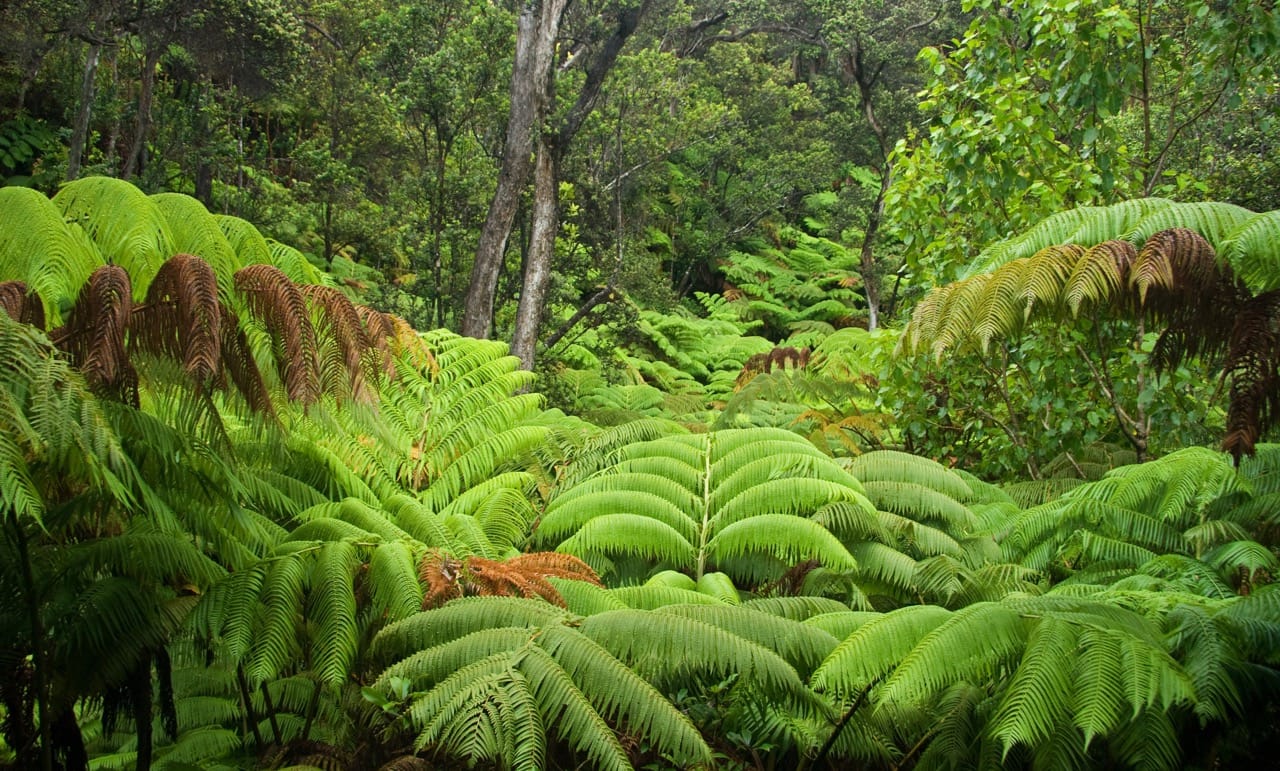
In a 2022 survey, Volcano residents ranked preserving the health of the forest as their top concern. For centuries, Native Hawaiians recognized the forest’s spiritual significance, seeing every tree, bird, plant, and rock as a form of deity. Prior to European contact, Hawaiians visited the upper Puna forests to gather plants, harvest koa for canoes, collect feathers, and craft tools, leaving behind only small huts and sheds. Guardians such as Kū-ka-‘ōhi‘a-Laka, Ua-kuahine, and Kū-lili-ka-ua inspired prayers and protocols, ensuring safe passage and respect for the land. Today, caring for the forest remains a way of life, with residents committed to protecting both its natural and cultural integrity.
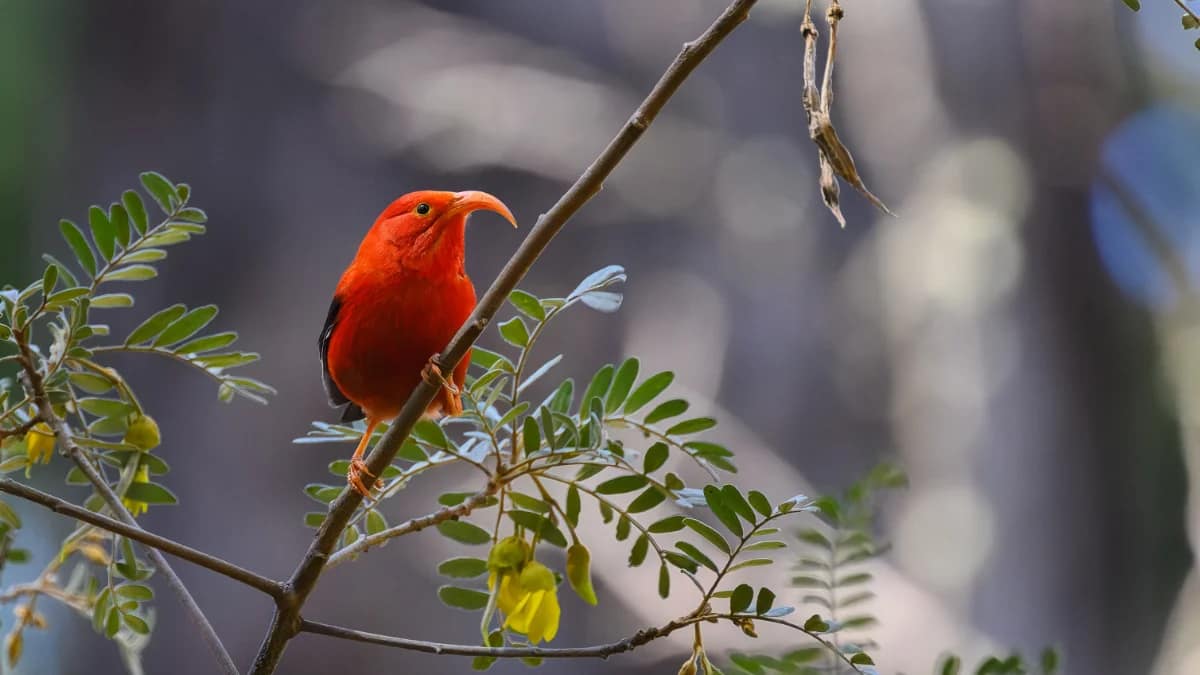
Volcano’s native forests are made up of a rich variety of native and endemic plants that arrived millions of years ago and carried by ocean, winds, or birds. They provide vital habitat for endemic birds like ʻapapane, ‘oma’o, amakihi, `io, and nēnē, as well as insects, spiders, and epiphytes. Nourished by centuries of ash, the rich volcanic soil supports three thriving tiers: tall ʻōhiʻa trees dominate the canopy, while mid-sized trees such as ōlapa, kāwaʻu, kōlea la nui, pilo, and māmaki, along with hapuʻu ferns, shelter the understory. Together, they create an ecosystem that controls erosion and slowly feeds springs and streams.
Today, these forests face threats from invasive species such as banana poka, Himalayan raspberry, strawberry guava, cane tibouchina, palm grass, and Himalayan ginger, which can overwhelm the forest floor. Rising temperatures, more mosquitoes, introduced coqui frogs, fires, lava flows, and development further stress native ecosystems. Shallow-rooted ʻōhiʻa are particularly vulnerable, and any disruption to the forest’s multi-layered structure opens the area to destructive plants, insects, and fungi.
Despite these challenges, Volcano remains a forest community. With protected lands nearby and residents committed to preservation, the village continues to honor its forest heritage while safeguarding its unique natural and cultural landscape.
Keauhou Bird Conservation Center
Native birds that once thrived in the forests around Volcano are now declining due to rising temperatures, habitat loss, predators, and shrinking food sources. Since 1996, a dedicated team of professionals and volunteers has been working on the edge of Volcano to breed endangered birds in captivity and restore former ranch lands to native forest.
The Keauhou Bird Conservation Center (KBCC), a partnership of state, federal, and local organizations, the San Diego Zoo, and the Hawaiʻi Forest Institute, spans 150 acres leased from the Bishop Estate. Year by year, the center is bringing both forest and birds back to the area.
Critically endangered Hawaiian birds bred at KBCC include ‘alalā, puaiohi, palila, and kiwikiu. The goal is to release these birds to help sustain native understory fruiting species planted each year in the center’s Discovery Forest, including hō‘awa, kōlea, maile, māmaki, māmane, ‘ohelo, ‘olapa, pilo, and ‘ie’ie. Invasive plants such as blackberry, Himalayan raspberry, banana poka, firethorn, Himalayan ginger, faya, and strawberry guava are actively controlled to support this restoration.
Progress has been steady over more than 25 years. Since 2014, the center has restored approximately four acres of native forest each year, clearing invasive weeds, preparing planting sites, and engaging community volunteers to plant 435 trees per acre.
CONTINUE LEARNING
Explore Volcano's Storied Past
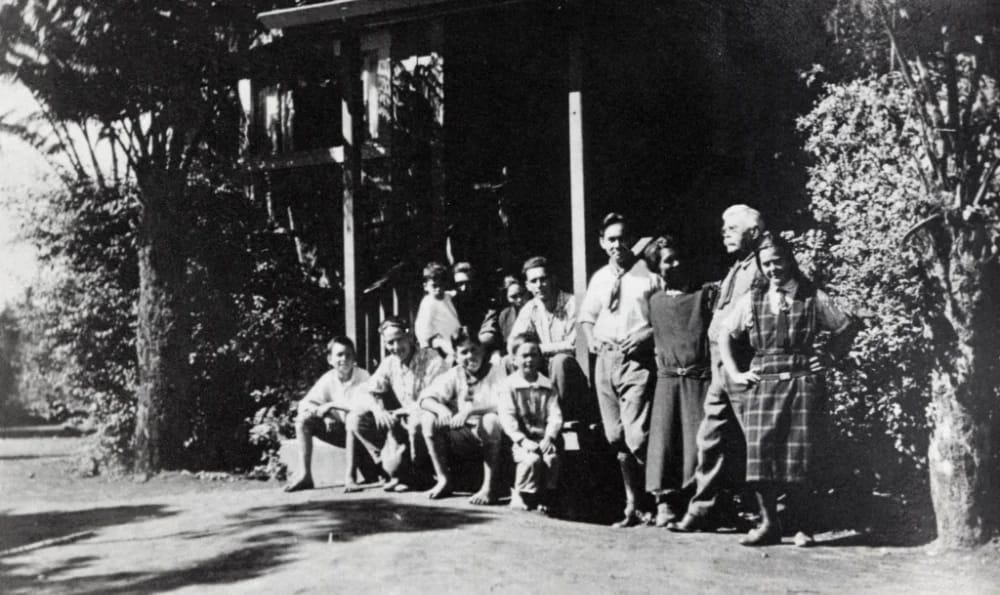
Story of Volcano
Discover how Volcano transformed from a handful of remote forest parcels into a thriving village from the early 1900s through the late 20th century.
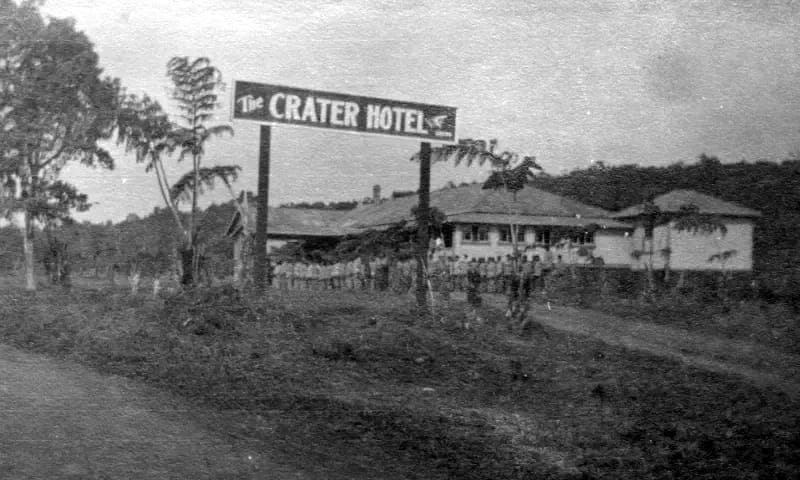
Historic Places
Learn the significance of Volcano's historic buildings and places that tell the stories of the village's growth, shared values, and everyday life across generations.
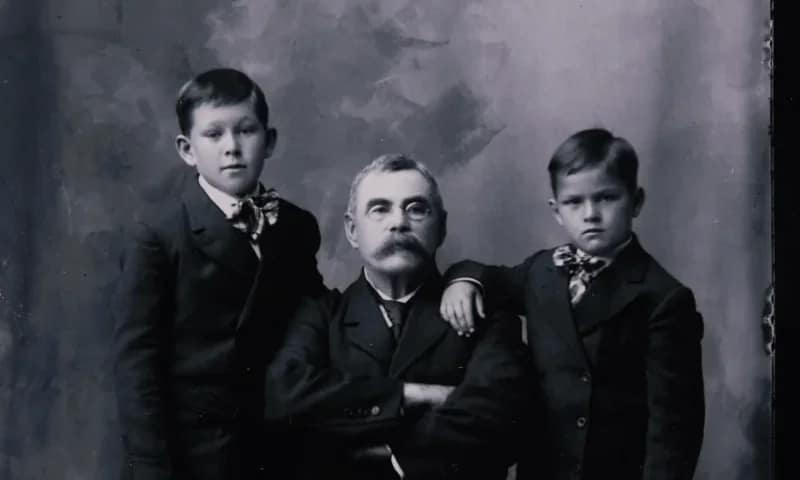
People of Volcano
Meet some of the outstanding people in Volcano's history who influenced and helped shape the Village community into what it is today.
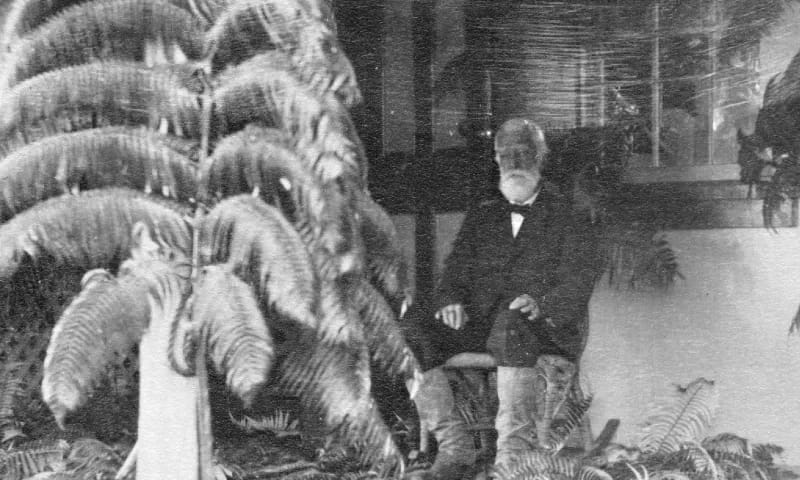
GET INVOLVED
Support Our Mission
Volcano Community Foundation is a nonprofit dedicated to preserving and showcasing Volcano's past while working together to meet today's needs and enrich the future of our community.