The Story of Volcano
An Introduction to Volcano Village
Volcano Village is one of the few communities in Hawaiʻi located within a native forest. For more than a century, people have been drawn to its lush greenery, cool climate, active volcano, and strong sense of community, creating a place shaped as much by its residents as its remarkable landscape. Residents often describe Volcano as unique, magical, spiritual, sacred, and deeply rooted in community.
From Pathway to Village
For centuries before settlement, the Volcano area was primarily a place of passage. Native Hawaiians traveled through the forests and lava fields between Hilo, Puna, and Kaʻū, gathering plants, capturing birds, quarrying stone, making tools, and observing Kīlauea’s eruptions. Permanent settlement began in the early 20th century, when Japanese farmers completed their plantation contracts and began growing vegetables on the fertile volcanic soil.
They were soon followed by waves of newcomers including businessmen, Japanese truck farmers, Native Hawaiian families, artists, writers, entrepreneurs, and retirees seeking affordability and a quieter way of life. Together, they shaped a village that grew gradually and organically over time.
As architect and photographer Boone Morrison once said, “We all have one thing in common: We dig Volcano.” Or, as poet Garrett Hongo observed, “Everybody is here because they got something they were looking for—or something they found here.”
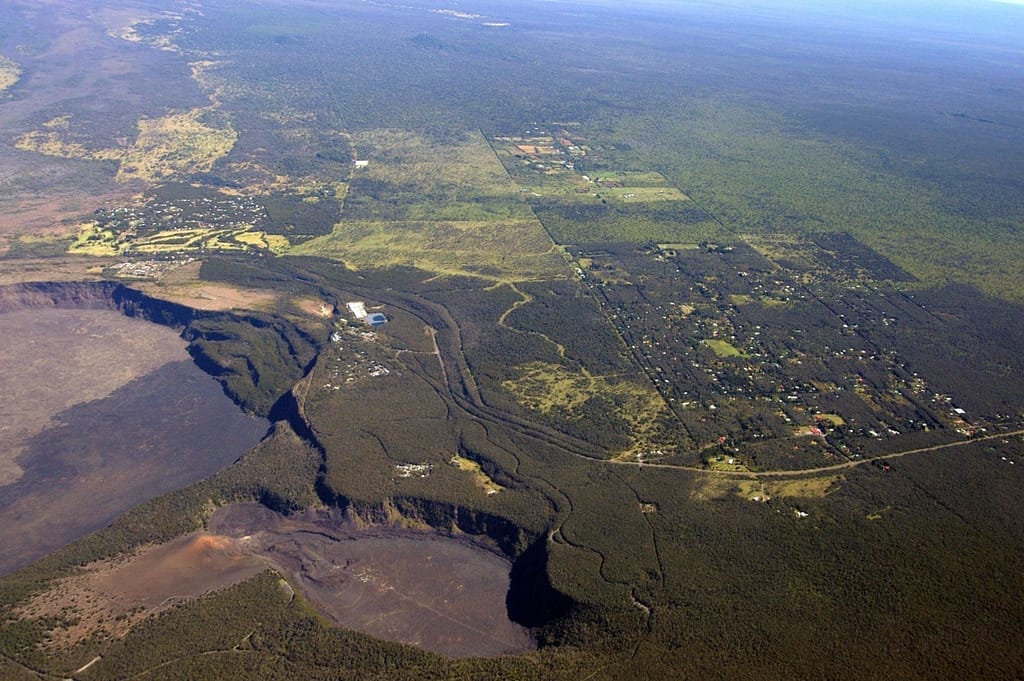
Today, Volcano encompasses roughly 78 square miles and is home to more than 4,000 residents. Most recognize three—or sometimes four—distinct areas: the historic “Old Village” mauka of Highway 11, newer subdivisions developed in the 1950s and 1960s, and the golf course subdivision established in the 1970s. For many, Kīlauea Volcano, Hawaiʻi Volcanoes National Park, and the historic Volcano House form an essential fourth element.
Geography & Climate
The physical landscape of Volcano is as varied as its people. Stretching roughly seven miles from Akatsuka’s Nursery along Kahaualeʻa Road to the Volcano Golf Course and Subdivision, the village spans multiple environmental zones and distinct residential areas. At its heart is a one-mile stretch along Old Volcano Road, home to the village’s historic buildings and businesses, including general stores, restaurants, art galleries, a hardware store, and a coin-operated laundry.
Beyond the village center, Wright Road leads to an agricultural area where farmers have grown crops such as chamomile, plums, and ōhelo berries since the 1950s. Throughout the village, longtime residents live alongside visitors staying in bed-and-breakfasts and vacation rentals—more than 100 in total—reinforcing Volcano’s long-standing blend of home and hospitality.
Volcano is surrounded by protected natural areas. Hawaiʻi Volcanoes National Park lies to the west, recognized as both an International Biosphere Reserve and a World Heritage Site. Kahaualeʻa Natural Area Reserve borders the south, while Puʻu Makaʻala Natural Area Reserve and the ʻŌlaʻa Forests stretch to the north. Within the village itself, rainfall can vary by more than 20 inches from one end to the other, and soil depth ranges from 30 feet of rich volcanic ash to just a few inches atop recent Kīlauea lava flows.
Growth of the Village
Before 1900, the area now known as Volcano Village consisted of just two privately owned parcels, its development constrained by dense forests and the absence of roads. One belonged to William H. Shipman, who built a mountain residence in 1882 after purchasing the ahupuaʻa of Keaʻau. The other was a small parcel he later sold to Hilo sugar mill manager C.C. Kennedy.
Volcano’s transformation began after the turn of the 20th century, when the territorial government opened land for settlement. In 1902, seven large tracts known as the Kīlauea Settlement lots were awarded, followed in 1907 by the first subdivision—ʻŌlaʻa Summer Lots—offering smaller parcels that required immediate building and planting. By 1910, more than 75 people claimed residency, and by 1912, additional lots were selling quickly, often for well above asking price despite limited access.
Rapid subdivision followed. Beginning around 1917, landowners and institutions carved out new neighborhoods along Volcano Road and nearby areas, accelerating home construction and shaping the village’s layout. Even in these early years, residents demonstrated a shared commitment to community and the forest, exemplified by a 1910 gathering to plant dozens of cedar trees in a neighbor’s lot.
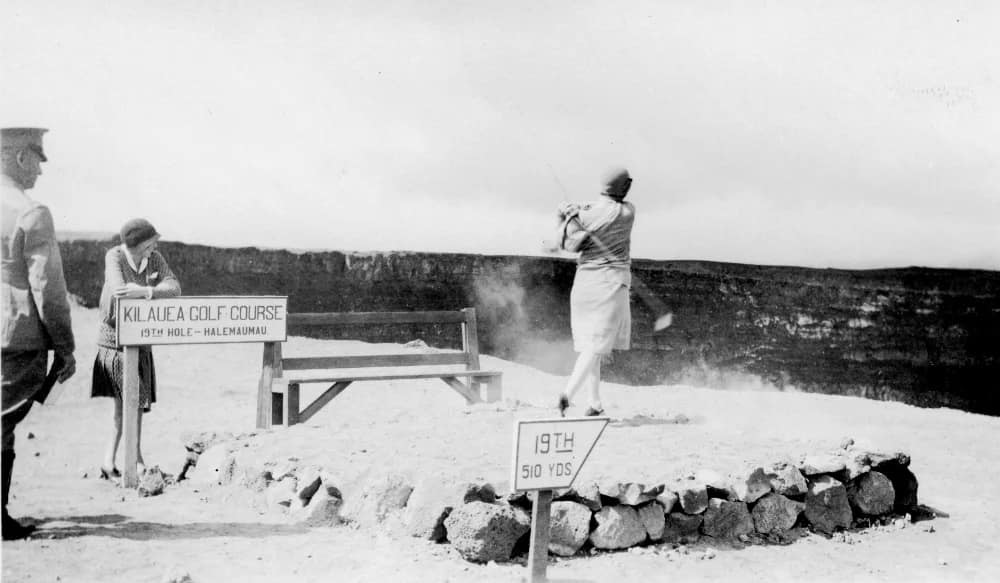
Agriculture and tourism soon took root. Early resales attracted farmers—many of them Japanese workers leaving sugar plantations—who grew vegetables and fruit in the rich volcanic soil. In 1911, the Crater Hotel opened as Volcano’s first guest facility, followed by a short-lived tent city and the village’s first general store. By 1920, Volcano had homes, a school, farms, a dairy, vacation houses, and a golf course.
Growth continued steadily through the 1920s with new subdivisions, including the development of the Hawaiʻi Country Club and several residential tracts that sold rapidly. After decades of gradual change, development surged again in the 1990s, when the number of restaurants increased and visitor accommodations more than doubled—marking a new chapter in the evolution of a village shaped by land, community, and opportunity.
CONTINUE LEARNING
Explore Volcano's Storied Past
Land & Culture
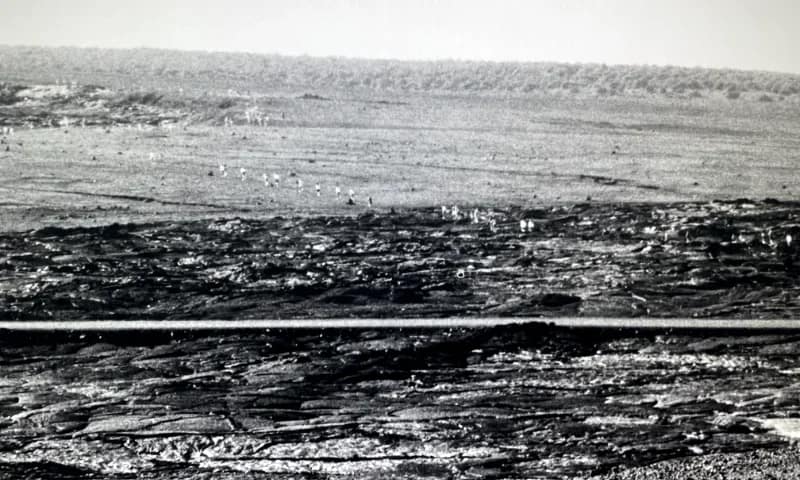
Learn about the deep relationship between people and ʻāina in Native Hawaiian culture as well as past and present efforts to mālama (care for) Volcano's unique ecosystems.
Timeline
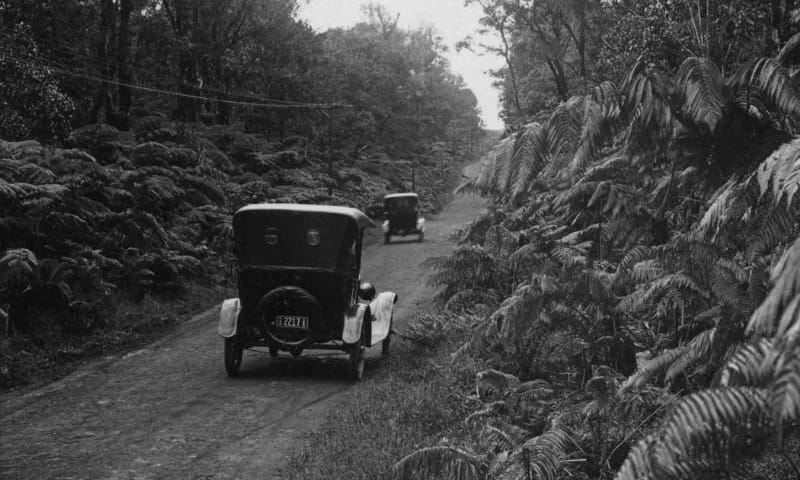
Revisit key moments in Volcano's history from 1819 to 1986, starting with the opening of the ʻŌlaʻa ahupuaʻa and highlighting the events and people that shaped the community.
People of Volcano
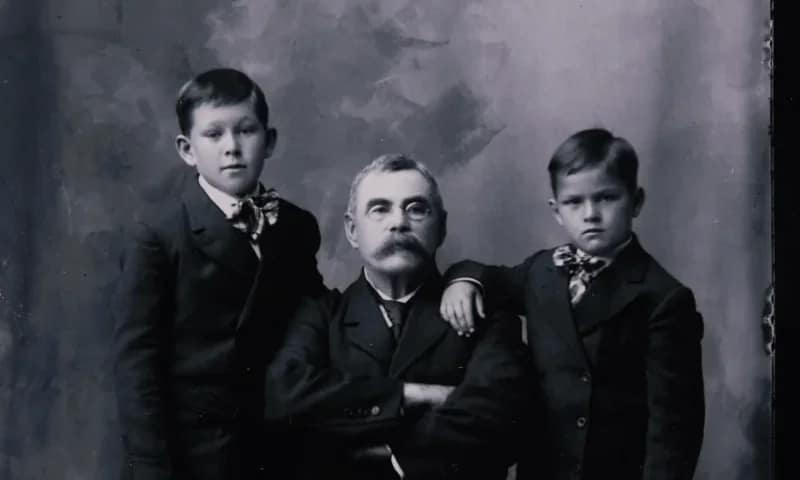
Meet some of the outstanding people in Volcano's history who influenced and helped shape the village community into what it is today.
GET INVOLVED
Support Our Mission
Volcano Community Foundation is a nonprofit dedicated to preserving and showcasing Volcano's past while working together to meet today's needs and enrich the future of our community.